
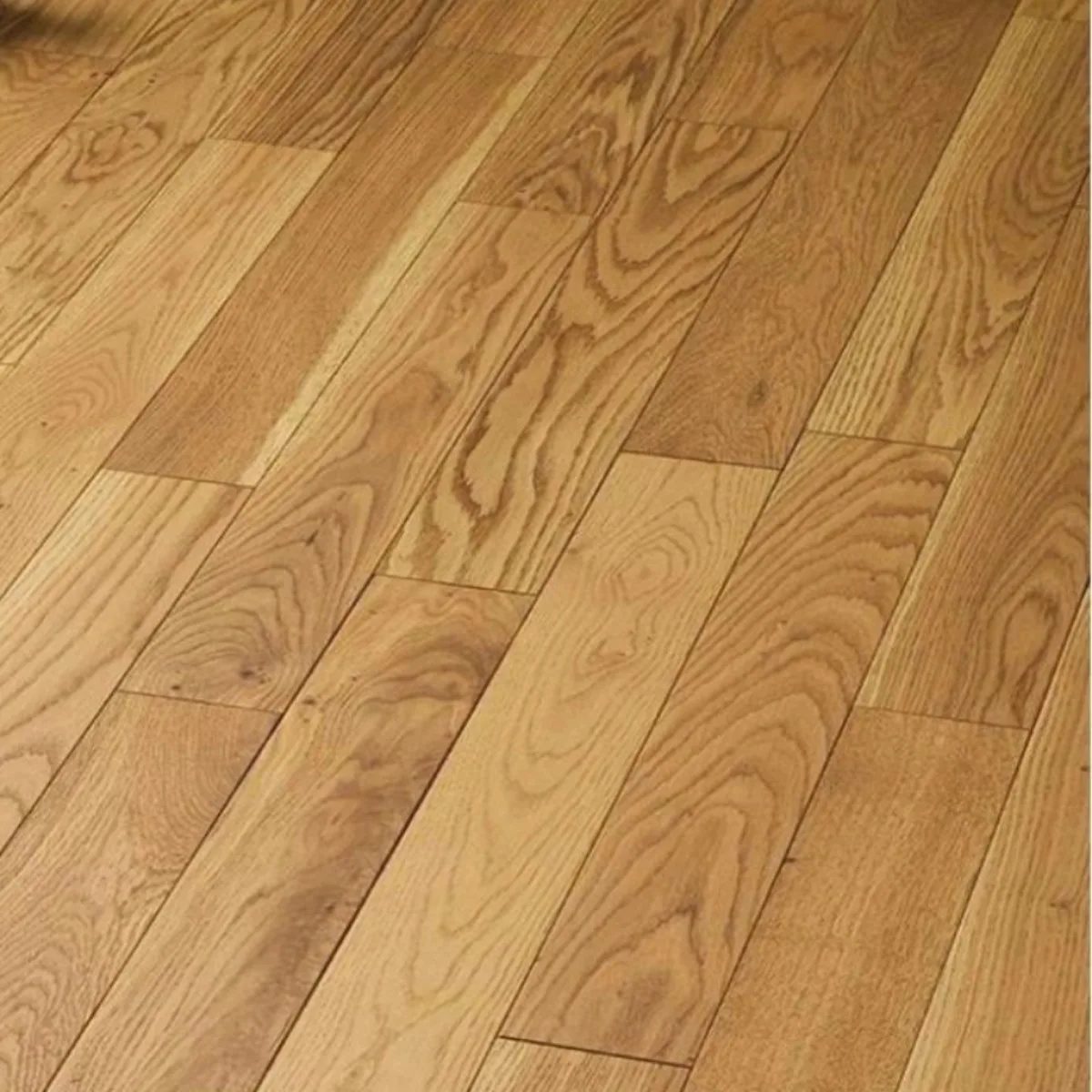
A hardwood floor and standing water do not mix, but that does not automatically mean the floor is a loss. Whether a water-damaged hardwood floor can be saved comes down to three things: how long the water sat before it was caught, how far the moisture traveled into the wood and subfloor, and whether the boards are cupping (a warning sign) or already buckling (usually the point of no return). Acting inside the first 24 to 48 hours is the single biggest factor in whether you are looking at a sand-and-refinish job or a full tear-out.
We get called out across San Diego County for everything from a slow dishwasher leak that cupped a few boards in a kitchen to a burst supply line that flooded an entire hardwood living room overnight. This guide covers how to tell drying-friendly damage from damage that has to be replaced, what a proper drying-in-place process looks like, when mold risk expands the scope, and how to document everything for a homeowners insurance claim. If the wood cannot be saved, we also cover what a waterproof LVP replacement costs against reinstalling hardwood.
Not sure if your floor is a repair or a replacement? Request a free in-home estimate or call +1 (619) 777-4334.
How Fast You Need to Act After Water Hits Hardwood
Wood starts absorbing moisture within minutes, but the damage that actually ruins a floor happens over the following hours and days. That gives you a real window to limit the loss if you move quickly.
| Timeframe | What Is Happening | What to Do |
|---|---|---|
| 0 to 2 hours | Surface water sits between boards, finish usually still intact | Remove standing water, stop the source |
| 2 to 24 hours | Moisture works into seams and under the finish, early cupping can start | Run box fans and a dehumidifier |
| 24 to 48 hours | Existing mold spores can begin active growth | Bring in a moisture meter |
| 3 to 5 days | Boards left wet often buckle or develop visible mold | Plan for board replacement |
That 24 to 48 hour window lines up with EPA guidance on mold growth after water intrusion, which is why restoration and flooring contractors treat the first two days as the period that decides the outcome. A floor caught and dried inside that window has a real chance of being saved. A floor discovered a week after a slow leak started, often hidden under a rug or an appliance, usually does not.
What Do Cupping, Buckling, and Staining Actually Mean?
Homeowners often use these three words interchangeably, but they describe different stages of damage with very different repair paths.
| Sign | What It Looks Like | Usually Reversible? |
|---|---|---|
| Cupping | Board edges sit higher than the center, like a shallow trough down each plank | Yes, if caught early and dried before finish cracks |
| Crowning | The opposite of cupping, centers rise higher than edges (often from drying too fast or sanding a cupped floor too soon) | Sometimes, depends on how it was dried |
| Buckling | Whole boards pull away from the subfloor and lift, sometimes several inches | Rarely, this almost always means replacement |
| Staining (grey or black) | Dark discoloration at seams, from tannin reacting with wet iron fasteners or from mold | Sometimes, light staining sands out; deep staining usually cannot |
Cupping gives you the most room to work with. It happens because the bottom of the board absorbs moisture faster than the top, so the wood swells unevenly and the edges rise. Caught early, with the finish still intact, a cupped floor can often be sanded flat again once moisture content returns to normal. Buckling is different: once a board's edges physically separate from the subfloor's adhesive or fasteners, drying it back down rarely reseats it correctly, and forcing it into place just creates new gaps and squeaks.
Can a Water-Damaged Hardwood Floor Be Saved?
The honest answer is that it depends on four factors we check on every water-damage call: how long the wood was wet, the moisture content reading, whether the finish is still intact, and whether the floor is solid or engineered hardwood.
- Duration. Wood dried within 24 to 48 hours has a good chance of being saved. Wood wet for 3 days or more starts showing permanent cell damage in the fibers, which no amount of drying reverses.
- Moisture content. Acclimated hardwood normally reads 6 to 9 percent on a pin meter. A floor reading 15 to 20 percent or higher needs active drying, and one that will not come back down within a few points of baseline after a week is usually holding water permanently in the fiber and needs replacement.
- Finish condition. A sealed, unbroken finish protects the wood underneath and drying is more likely to work. Once the finish has cracked, bubbled, or peeled, water has direct access to bare wood and the odds of a full recovery drop.
- Solid vs engineered. Solid hardwood can be sanded down further after drying, which gives it more room for error. Engineered hardwood has a thin wear layer (often 2 to 4mm) over a plywood core, and once water gets between the plies, they delaminate permanently. Engineered floors that buckle or show separated seams are almost always a replacement, not a dry-out.
As a rule of thumb, a handful of cupped boards near a dishwasher or bathroom threshold, caught within a day or two, is very likely saveable with drying and a spot refinish. A whole room that sat under an inch of water overnight from a burst pipe is very likely a tear-out for the boards closest to the source, even if the rest of the room can be salvaged.
Drying Boards in Place vs Replacing Them
When a floor is a genuine candidate for drying rather than replacement, the process looks different from just running a box fan for a day.
What Drying In Place Actually Involves
We remove standing water first, then set up commercial air movers and a dehumidifier sized for the room, often running continuously for 5 to 10 days depending on how saturated the wood is. A moisture meter reading is logged daily on the affected boards and on unaffected boards nearby as a baseline. Drying is complete when the affected area reads within about 2 percentage points of that baseline, not simply when the floor feels dry to the touch, since the surface can feel dry while the core of the board is still holding water.
When Replacement Is the Better Call
Replacement makes more sense once a board has visibly buckled, the tongue-and-groove joint has swollen enough that adjoining boards no longer sit flush, or moisture readings plateau above 12 to 13 percent after a full week of active drying. In those cases the damaged boards are cut out and new matching boards are woven in, realistic for solid hardwood in a common species and width, and harder to match on discontinued or highly figured engineered products. For rooms where more than 25 to 30 percent of the boards are affected, it usually costs less overall to refinish or replace the whole room than to weave in dozens of individual repairs.
When Water Damage Means a Larger Tear-Out
Not every water event is the same, and the source changes how big the resulting repair needs to be. Water damage restoration standards (IICRC S500) classify water intrusion into three categories: Category 1 is clean water from a supply line or appliance, Category 2 is grey water with some contamination (a washing machine overflow), and Category 3 is black water from a sewage backup or standing floodwater. A hardwood floor exposed to Category 2 or 3 water almost always needs subfloor removal in addition to the flooring, since contaminated water in a plywood or slab subfloor cannot simply be dried and left in place.
Mold is the other factor that expands scope. Per the EPA guidance above, active mold growth can begin within 24 to 48 hours in the right conditions, and San Diego's coastal humidity near the water, including Coronado and La Jolla, keeps that clock running a little faster than it does inland. Once we see visible mold on the underside of pulled-up boards or on the subfloor, the scope typically grows to include the affected subfloor section and sometimes the bottom few inches of drywall or baseboard nearby. That is the point where we recommend a licensed mold remediation contractor alongside the flooring work rather than treating it as a flooring-only repair.
Documenting Water Damage for an Insurance Claim
Most homeowners insurance covers sudden, accidental water damage, like a burst supply line or a failed water heater, but excludes damage from long-term leaks or neglect. How you document the damage in the first few hours affects whether a claim gets approved and for how much.
- Take time-stamped photos and video before moving anything. Capture the water source, the extent of standing water, and the affected flooring from multiple angles.
- Log moisture meter readings with dates. A daily log gives the adjuster objective data instead of a verbal description of "it got wet."
- Get a written moisture assessment from a licensed flooring contractor. A dated, signed assessment carries more weight than photos alone and documents whether drying or replacement is the right call.
- Keep receipts for any emergency mitigation. Fan and dehumidifier rentals or a restoration company's call-out are usually reimbursable and should be saved separately from the flooring invoice.
- Do not discard damaged boards until the adjuster has cleared it. Some policies require a physical inspection before removal is approved for reimbursement.
- Note the date you discovered the damage, not just when the leak started. A pipe that leaked slowly for 3 weeks before it was noticed is handled differently than one that burst suddenly.
We provide a written moisture reading and scope of damage on every water-damage estimate, which homeowners in San Diego and the surrounding cities we serve can hand directly to their insurance adjuster.
Cost to Repair or Replace Water-Damaged Hardwood
Costs vary because repairs range from a handful of boards to a full-room tear-out. These are typical installed ranges we see across San Diego County:
| Scope of Repair | Installed Cost/sqft | Notes |
|---|---|---|
| Dry-in-place plus spot sand and refinish | $3.00 - $6.00 | Cupping only, finish intact, caught within 24 to 48 hours |
| Board replacement and weave-in | $8.00 - $14.00 | Buckled or stained boards, matching species and width available |
| Partial room tear-out with subfloor repair | $10.00 - $18.00 | Category 2 water or moisture that reached the plywood subfloor |
| Full room tear-out with mold remediation | $18.00 - $30.00+ | Category 3 water, visible mold, or subfloor rot found underneath |
If the room is not a strong candidate for matching the existing hardwood (a discontinued species, a large percentage affected, or a homeowner who would rather not gamble on a dry-out), waterproof LVP is a common alternative at $6 to $10 per square foot installed, since it will not cup, buckle, or need replacing after the next leak. Laminate, by contrast, cannot be dried and saved the way hardwood sometimes can. Its core swells permanently once water gets past the surface, making a water-damaged laminate floor a straightforward replacement rather than a judgment call.
Our free in-home estimate includes a moisture reading and a written scope so you know whether you are looking at a repair or a replacement before any work starts.
Frequently Asked Questions
Can Water-Damaged Hardwood Floors Be Repaired Instead of Replaced?
Yes, if the water is extracted within 24 to 48 hours, the boards are cupping rather than buckling, and the finish has not cracked. Solid hardwood dried within that window and sanded flat once moisture content normalizes can often be saved without full replacement.
How Long Can Hardwood Floors Be Wet Before They Are Ruined?
Roughly 24 to 48 hours is the practical window before damage becomes harder to reverse. Wood left wet 3 days or more often shows buckling, delamination, or the start of mold growth, at which point replacement is usually more reliable than continued drying.
What Does Cupping in a Hardwood Floor Mean?
Cupping means the edges of each board have risen slightly higher than the center, giving the floor a shallow, wavy texture. It happens when the bottom of the board absorbs more moisture than the top. Caught early, cupping is usually reversible with proper drying and a light sanding once moisture content normalizes.
Is a Buckled Hardwood Floor Always a Total Loss?
Not the whole floor, but the individual buckled boards almost always need to be replaced rather than dried back into place. Once a board physically separates from the subfloor, drying it does not reliably reseat the joint, so cutting out and replacing the affected boards is the more dependable fix.
Will My Homeowners Insurance Cover Hardwood Floor Water Damage?
Usually, if the damage came from a sudden and accidental event like a burst supply line or a failed appliance, and you can document when it happened and how quickly you responded. Damage from a long-term slow leak or from flooding is often excluded or requires separate flood coverage, so check your specific policy language.
How Do I Know If My Hardwood Floor Has Mold Underneath It?
Signs include a musty smell that persists after the surface is dry, dark grey or black staining at the seams that spreads rather than staying in one spot, and boards that feel soft or spongy underfoot. If you see any of these signs, pull a board for inspection or bring in a professional rather than sanding over a floor with active mold underneath.
Can Engineered Hardwood Be Dried Out After Water Damage the Same Way Solid Hardwood Can?
Not as reliably. Engineered hardwood has a thin veneer over a plywood core, and once water gets between those layers, they delaminate permanently. Solid hardwood has more room for error because it can be sanded down further after drying, while a delaminated engineered board typically needs to be replaced rather than dried.
What Should I Do in the First Hour After Finding Water on My Hardwood Floor?
Stop the water source if you can, remove standing water with towels or a wet vac rather than a fan alone, move furniture and rugs off the wet area, then start air movement and dehumidification. Photograph the damage first in case you need it for an insurance claim.
How Much Does It Cost to Fix Water-Damaged Hardwood Floors?
A localized dry-in-place repair with spot refinishing typically runs $3.00 to $6.00 per square foot. Replacing and weaving in buckled or stained boards runs $8.00 to $14.00 per square foot. A larger tear-out that includes subfloor repair or mold remediation can range from $10.00 to $30.00 or more per square foot depending on scope.