
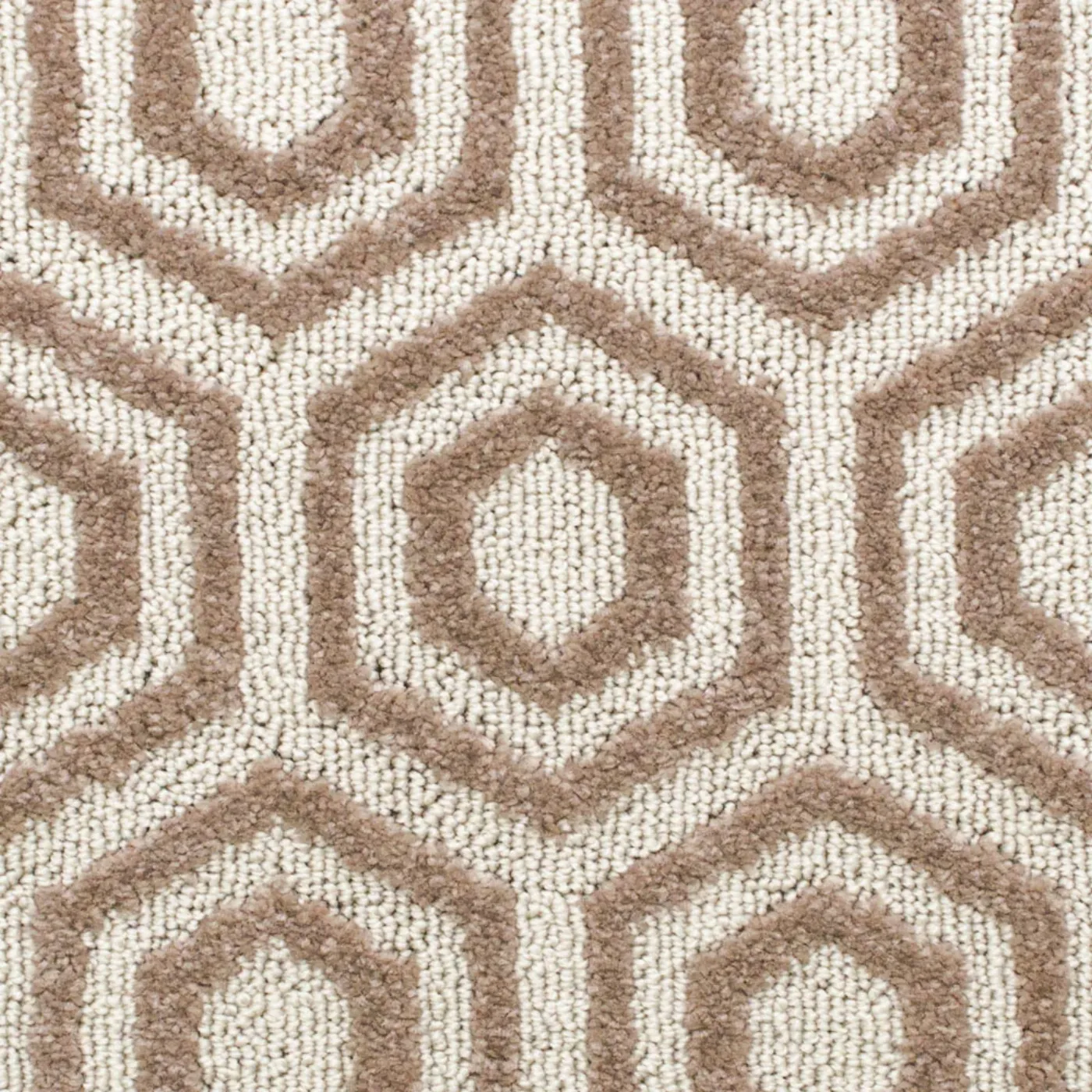
The best carpet for a living room is a mid-weight nylon or triexta in a frieze or patterned cut pile, with a face weight of 40 ounces or higher and a density rating of 2,000 or above. These fibers handle heavy foot traffic without matting, resist stains better than polyester, and come in styles that hide vacuum lines and everyday wear. If you have pets or kids, triexta (Mohawk SmartStrand) edges out nylon on stain resistance while matching it on durability. Wool is the luxury alternative for low-traffic, allergen-sensitive households.
We install carpet in living rooms across San Diego every week, and the fiber, pile, and density combination you choose matters more than the brand name on the label. Below we walk through every factor that goes into picking the best carpet for living room spaces so you can make a confident decision before your installer shows up with samples. For brands and sub-services, see our San Diego carpet installation page; for pricing context, our 2026 carpet installation cost guide breaks down what each fiber costs fully installed.
- Fiber: nylon or triexta (skip polyester for heavy traffic)
- Face weight: 40 oz or higher
- Density rating: 2,000+
- Twist level: 5.0 or higher
- Pile: frieze or patterned cut-loop (avoid plush in busy rooms)
- Pad: 8 lb minimum (10 lb on stairs)
- Color: warm neutral (beige, taupe, mushroom) per 2026 trend
- Size for area rugs: front legs of all seating on the rug
- Allergy concerns: pick Green Label Plus certified or wool
Want to see these fibers in your own lighting? Request a free in-home estimate or call +1 (619) 777-4334.
Best Carpet Fiber Types for Living Rooms
The fiber is the single most important decision when choosing the best carpet for living room use. It determines how long the carpet lasts, how it feels underfoot, and how well it resists stains. Here is how the three most common residential fibers compare:
Nylon
Nylon is the gold standard for high-traffic carpet. It has the best resilience of any synthetic fiber, meaning it bounces back after being compressed by furniture or foot traffic. A quality 40 to 60 oz nylon carpet in a living room lasts 10 to 15 years with proper maintenance. It is also the easiest fiber to clean because it does not absorb oil-based stains as readily as polyester.
The downside is cost. Nylon carpet runs $4.50 to $7.00 per square foot installed, which is 30 to 50 percent more than entry-level polyester. But for a living room that gets daily traffic, the extra cost pays for itself in longevity.
Triexta (SmartStrand)
Triexta is the newer fiber on the block, and it has earned its reputation quickly. Mohawk's SmartStrand is the most well-known triexta product. The stain resistance is built into the fiber itself rather than applied as a topical treatment, so it does not wash off or wear away over time. Triexta is also softer than nylon, which matters if you have kids playing on the floor.
For living rooms with pets, triexta is our top recommendation. It resists pet stains better than any other synthetic fiber, and the softness makes it comfortable for bare feet. Installed cost runs $5.00 to $8.00 per square foot.
Polyester
Polyester is the budget option. It is softer than nylon out of the box and comes in vibrant colors that do not fade easily. But polyester has a critical weakness for living rooms: it crushes. Once polyester fibers flatten from foot traffic, they do not bounce back. In a living room that gets moderate to heavy use, polyester carpet starts looking worn in 3 to 5 years.
Polyester works well for bedrooms and guest rooms where traffic is light. For a living room, it is only a good choice if you are on a tight budget and plan to replace the carpet within 5 to 7 years. Installed cost runs $3.00 to $4.50 per square foot.
| Fiber | Installed Cost/sqft | Durability | Stain Resistance | Softness |
|---|---|---|---|---|
| Nylon | $4.50 - $7.00 | Excellent | Good (with treatment) | Moderate |
| Triexta | $5.00 - $8.00 | Very Good | Excellent (built-in) | Very Soft |
| Polyester | $3.00 - $4.50 | Fair | Good | Soft |
Best Pile Types for Living Rooms
Pile type refers to how the carpet fibers are cut and twisted. It affects how the carpet looks, how it wears, and how well it hides footprints and vacuum marks. For living rooms, three pile styles work best:
Frieze (Twist)
Frieze carpet has tightly twisted fibers that curl in different directions. This random texture is the single best feature for a living room because it hides footprints, vacuum lines, and minor wear patterns. Frieze is our most recommended pile type for best carpet for living room installations. It works with any fiber type but is especially durable in nylon.
Plush (Velvet)
Plush carpet has a smooth, even surface with fibers cut to the same height. It looks elegant and feels luxurious, but it shows every footprint and vacuum line. Plush works best in formal living rooms that do not get heavy daily traffic. If you have kids or pets, plush will drive you crazy because it always looks like someone just walked through it.
Patterned Cut and Loop
Patterned carpet combines cut and loop fibers to create geometric or organic designs. It adds visual interest to a living room and does a good job hiding wear. The texture variation means footprints and vacuum marks disappear into the pattern. Patterned carpet costs 10 to 20 percent more than solid styles due to the extra manufacturing complexity.
Density and Face Weight: How to Read the Specs
Two numbers on a carpet sample tag tell you almost everything about how it will hold up: face weight and density. Sales tags often hide these. Ask for them, then use the rule below.
| Spec | Living Room Minimum | What It Tells You |
|---|---|---|
| Face weight | 40 oz/yd² (nylon, triexta) · 35 oz/yd² (polyester) | How much fiber is packed into the carpet. Higher = more durable. |
| Density rating | 2,000 or higher | How tightly packed those fibers are. Higher = better wear resistance. |
| Twist level | 5.0 or higher | How tightly the fibers are twisted. Higher = better resilience under foot traffic. |
| Pile height | 0.25" to 0.50" | How tall the fibers stand up. Lower-medium = best for traffic. |
Density is calculated as face weight × 36 ÷ pile height. A 50 oz carpet with a 0.5" pile has a density of 3,600. Anything above 3,000 is excellent for residential. Below 2,000 will mat in two years no matter what fiber it is. The Carpet and Rug Institute publishes the calculation method on their selecting the right carpet resource.
Best Colors and Patterns for Living Room Carpet
Color choice is partly personal taste, but there are practical considerations that matter more in a living room than in a bedroom:
Medium Tones Win
Very light carpet shows every stain and dirt mark. Very dark carpet shows lint, pet hair, and dust. Medium tones like warm gray, taupe, greige, and medium brown hide the most dirt and look clean longer between vacuuming. For a best carpet for living room that stays looking good with minimal effort, stick to the middle of the color spectrum.
Fleck and Multicolor Patterns
Carpet with subtle color variation or flecks of complementary tones hides dirt and stains better than solid colors. Even a slight multicolor effect makes a huge difference in how clean the carpet looks day to day.
Matching Your Decor
Neutral carpet gives you the most flexibility to change wall colors, furniture, and decor without the floor clashing. Bold carpet colors can work, but they lock you into a narrower range of design choices. Most homeowners who choose bold carpet eventually wish they had gone neutral.
2026 Living Room Carpet Color Trends
Gray is officially over as the dominant carpet color. The 2026 catalogs from Mohawk, Shaw, and Karastan have shifted decisively to warm neutrals: beige, taupe, mushroom, oat, soft brown, and cream. The shift mirrors what is happening in interior paint (Benjamin Moore and Sherwin-Williams 2026 colors of the year are both warm) and in furniture.
- Beige and oat: The single most-requested color in 2026. Hides dirt better than cream, looks cleaner than gray, works with both warm and cool decor.
- Taupe and mushroom: Slightly darker than beige with a hint of warmth. Pairs well with both white and dark wood furniture.
- Soft brown: Returning after a decade away. Reads cozy and forgiving with kids and pets.
- Greige: Still widely available as a transition for homeowners not ready to fully commit to warm neutrals.
If you are debating gray versus warm neutral and want resale value, lean warm. Real estate listings with warm-neutral flooring photograph better and date slower than gray.
Carpet Sizing and Furniture Placement
Wall-to-wall carpet has no sizing question, but if you are choosing an area rug or a custom-sized cut for a defined seating area, the rule is simple. The rug should be large enough that the front legs of every seating piece sit on it. A rug that is too small visually shrinks the room and disconnects the furniture from the floor.
| Living Room Size | Recommended Rug Size |
|---|---|
| Small (under 150 sq ft) | 5x8 ft or 6x9 ft |
| Medium (150-250 sq ft) | 8x10 ft |
| Large (250-400 sq ft) | 9x12 ft or 10x14 ft |
| Extra large (400+ sq ft) | 12x15 ft or wall-to-wall |
For wall-to-wall carpet, leave a 4 to 12 inch reveal of hard flooring along walls if you are doing a partial-room install or transitioning between rooms. The reveal makes the carpet feel intentional rather than like an afterthought.
Best Carpet Brands for Living Rooms
We install most major brands. Here is how the residential carpet brands stack up specifically for living room installs:
| Brand | Best Living Room Line | Strength |
|---|---|---|
| Mohawk SmartStrand | Forever Clean, Silk | Built-in stain resistance (triexta), pet warranty |
| Shaw Anso Nylon | Caress, Bellera | Nylon resilience, 25-year wear warranty |
| Stainmaster PetProtect | Active Family | Stain warranty, pet odor handling |
| Karastan | Smartstrand Reserve, Pure Luxury wool | Premium styles, wool blends |
| Anderson Tuftex | Classic Hardwood/Karastan licensee | Higher-end design styles, broader pattern range |
For pricing across these brands, see the brand cost comparison in our carpet installation cost guide.
Carpet for Allergy and Asthma Sufferers
Carpet has a reputation as bad for allergies, but the modern story is more nuanced. Quality carpet actually traps allergens and keeps them out of the air, where they are easier to vacuum out than they would be off a hard surface.
For allergy-sensitive households, three things matter:
- Green Label Plus certification. Look for the Carpet and Rug Institute's Green Label Plus seal. It tests carpet, pad, and adhesive for low VOC emissions to indoor air. Most major brands offer Green Label Plus options.
- Wool fiber. Wool is naturally hypoallergenic and resists dust mites better than synthetic fibers. It is the premium choice for allergy households despite the higher cost.
- HEPA-filtered vacuum. Even the best carpet needs the right vacuum. A HEPA-filtered vacuum captures 99.97% of particles down to 0.3 microns, which is what matters for asthma and allergy management.
If a household member has severe allergies or asthma, hard surface flooring is still the better call for that room. Our LVP vs hardwood comparison covers when each is the right choice.
Durability Considerations for Living Room Carpet
Living rooms are high-traffic zones. The path from the front door to the couch, the hallway entry point, and the area around the TV all get compressed daily. Here is what determines how long your carpet holds up:
Face Weight
Face weight measures fiber density in ounces per square yard. For a living room, you want at least 35 oz for polyester and 40 oz for nylon or triexta. Higher face weight means more fiber packed into the same area, which translates to better resilience and longer life. Going above 60 oz is typically unnecessary for residential use.
Twist Level
Twist level measures how tightly the fibers are twisted together. Higher twist means better resilience. Look for a twist level of 5.0 or higher for living room carpet. Anything below 4.0 will unravel and mat faster under heavy foot traffic.
Carpet Pad Quality
The pad underneath your carpet matters almost as much as the carpet itself. An 8 lb density pad is the minimum we recommend for living rooms. It cushions the fibers from below, reducing the impact of foot traffic and extending carpet life by 2 to 4 years compared to a cheap 6 lb pad. Never skip on pad quality to save a few dollars per square foot.
Stain Resistance
Living rooms see coffee spills, red wine, food drops, and muddy shoes. Stain resistance comes from two sources: topical treatments and built-in fiber protection.
Topical treatments like Scotchgard and other stain protectors are applied after manufacturing. They work well initially but wear off over time with cleaning and foot traffic. Most topical treatments last 2 to 5 years before they need reapplication.
Built-in protection is part of the fiber itself. Triexta (SmartStrand) and solution-dyed nylon have stain resistance that never washes off because it is engineered into the molecular structure of the fiber. This is the better long-term choice for a living room.
Carpet for Homes With Pets and Kids
If you have dogs, cats, or young children, your best carpet for living room needs to handle more abuse than the average household. Here is what to prioritize:
Best Fiber for Pets
Triexta is the clear winner for pet households. It resists pet urine stains better than nylon or polyester, and the built-in stain resistance does not wear off. Nylon is a close second, especially solution-dyed nylon, which resists bleach-based cleaners if you need to use them for odor removal.
Best Pile for Pets
Frieze or short-cut pile carpet works best with pets. Avoid loop pile (berber), which snags on claws. Avoid plush, which shows every paw print and collects fur in the dense pile. A low to medium height frieze is easy to vacuum, resists snagging, and hides pet hair between cleanings.
Best Color for Pets
Match your carpet color to your pet's fur as closely as possible. It sounds silly, but it is the single most effective trick for keeping a pet household looking clean between vacuuming sessions. Medium brown and warm gray tones work well with most pet fur colors.
Waterproof Backing
Some carpet lines now offer waterproof backing that prevents pet accidents from soaking through to the pad and subfloor. This is a worthwhile upgrade for pet households because the pad and subfloor are where odors become permanent. LifeProof by Shaw and SmartStrand Silk by Mohawk both offer waterproof-backed options.
Best Carpet for Kids
Kids need soft, stain-resistant carpet with good cushion. Triexta with a quality 8 lb pad is the best combination for a family room where kids play on the floor. The softness is gentle on knees and elbows, and the stain resistance handles juice, markers, and food without permanent damage.
How to Choose the Right Carpet for Your Living Room
Here is a simple decision framework we walk our customers through when they are choosing carpet for living room use:
- Determine your traffic level. Heavy daily use (family room, main living space) calls for nylon or triexta. Light use (formal sitting room) can get away with polyester.
- Decide on pile type. Frieze for everyday living rooms. Plush for formal rooms. Patterned for visual interest and wear hiding.
- Set your budget. Mid-range nylon at $5 to $6 per square foot installed is the sweet spot for most living rooms. Budget polyester at $3 to $4 works for lighter use.
- Pick a color range. Medium neutrals (gray, taupe, greige) work with the most decor and hide the most dirt.
- Check the specs. Face weight above 40 oz, twist level above 5.0, and an 8 lb pad minimum.
- See it in your space. Always look at large samples (at least 12x12 inches) in your actual room lighting. Carpet looks very different under store fluorescents than under your living room windows.
Frequently Asked Questions
What Is the Most Durable Carpet for a Living Room?
Nylon carpet with a face weight of 40 oz or higher and a twist level above 5.0 is the most durable option for living rooms. Brands like Shaw Anso nylon and Mohawk Continuum nylon are specifically engineered for high-traffic residential use and carry 15 to 25 year wear warranties.
Is Carpet a Good Choice for a Living Room?
Yes. Carpet is still one of the best flooring options for living rooms because it absorbs sound, feels warm underfoot, and provides cushion for sitting and playing on the floor. The key is choosing the right fiber and pile type for your household's traffic level. A quality nylon or triexta carpet in a living room lasts 10 to 15 years.
What Is the Best Carpet for Bedrooms?
The best carpet for bedrooms is typically a soft plush or frieze in polyester or triexta. Bedrooms get lighter traffic than living rooms, so the extra durability of nylon is not always necessary. A 30 to 40 oz polyester plush gives you a luxuriously soft feel for a lower cost. Triexta is worth the upgrade if you want stain resistance for kids' bedrooms.
What Carpet Type Is Best for High Traffic Areas?
For carpet types for high traffic areas, choose nylon fiber in a frieze or textured cut pile. The tight twist of frieze carpet hides wear patterns, and nylon's natural resilience means it bounces back after being compressed. Face weight should be 40 oz or higher, and always pair it with an 8 lb density pad.
How Much Does Living Room Carpet Cost?
Living room carpet costs $1,400 to $2,300 for a typical 16x20 room (320 square feet) with mid-range nylon, professional installation, 8 lb pad, removal, and disposal included. Budget polyester brings the total down to $960 to $1,440. Premium triexta or wool pushes it to $2,500 to $3,500 or more.
Should I Get Light or Dark Carpet for My Living Room?
Neither extreme works well for living rooms. Light carpet shows every stain and dirty footprint. Dark carpet shows lint, dust, and pet hair. Medium tones like warm gray, taupe, and greige are the most forgiving and look clean the longest between vacuuming.
How Long Does Living Room Carpet Last?
Quality nylon or triexta carpet in a living room lasts 10 to 15 years with regular vacuuming and professional cleaning every 12 to 18 months. Polyester lasts 5 to 7 years in a living room before it starts matting and looking worn. Wool carpet in a low-traffic formal living room can last 15 to 25 years.
Can I Put Berber Carpet in My Living Room?
You can, but it is not the best choice if you have pets. Loop pile carpet (berber) is durable and hides dirt well, but pet claws can snag and pull the loops, causing runs that are impossible to repair without replacing the carpet. If you want a similar look without the snag risk, choose a tight textured cut pile instead.
What Is the Best Carpet Brand for a Living Room?
Mohawk SmartStrand and Stainmaster PetProtect are the two most-installed living room brands, both for stain resistance and warranty depth. Karastan SmartStrand Reserve and wool blends are the premium step up. Shaw Anso nylon is a strong nylon option with a 25-year wear warranty. There is no single "best" brand for everyone; pick the brand whose specific living-room line matches the face weight, density, and color palette you actually want.
How Do I Choose a Carpet Color for My Living Room?
Pick a medium-tone warm neutral (beige, taupe, mushroom, soft brown) for the longest-lasting look. Avoid very light carpet (shows dirt) and very dark carpet (shows lint and pet hair). Subtle fleck or multicolor variation hides everyday wear better than solid colors. Bring full-size samples home and view them under your real lighting (morning, afternoon, and evening) before committing.
What Is the Best Carpet for a High-Traffic Family Room?
Nylon or triexta with 40 oz+ face weight, a density rating of 2,000+, and a frieze or patterned cut-loop pile. Pair it with an 8 lb minimum pad. The Shaw Anso Caress and Mohawk SmartStrand Forever Clean are two specific lines designed for this scenario. Avoid plush in family rooms; it shows every footprint.
Should I Install Wall-to-Wall Carpet or Use an Area Rug?
Wall-to-wall is warmer, quieter, and visually unified. Area rugs let you mix carpet with hardwood or LVP and update the look more easily. If you go with an area rug, size it so the front legs of every seating piece sit on the rug. Most homeowners with kids and pets in the living room are happier with wall-to-wall because spills and pet messes do not run off onto the hard floor underneath.